

5 Best Duolingo Alternatives for Smarter Language Learning [2026]

5 Best Duolingo Alternatives for Smarter Language Learning [2026]
TL;DR
- Compare 11 leading Duolingo alternatives side by side
- See pricing and features for Teyro and top language apps
- Find the best app for conversation, community, or vocabulary
- Learn why Teyro beats gamified streaks for deep skill
If Duolingo’s gamified approach isn’t helping you speak Spanish or German confidently, it’s time to consider a Duolingo alternative. These are language learning platforms designed to deliver more effective, lasting results beyond just collecting streaks.
Options like Teyro, Skillshare, Khan Academy, and Udemy offer fresh ways to learn languages. This guide reviews five top Duolingo alternatives, clearly showing what sets each apart to help you find the best match for your goals and style.
Duolingo Alternatives at a Glance
Searching for a duolingo alternative often starts with a need for features that match your learning style, budget, or skill focus. Here’s a direct, fact-based overview to help you spot the right fit without sifting through mountains of promo copy.
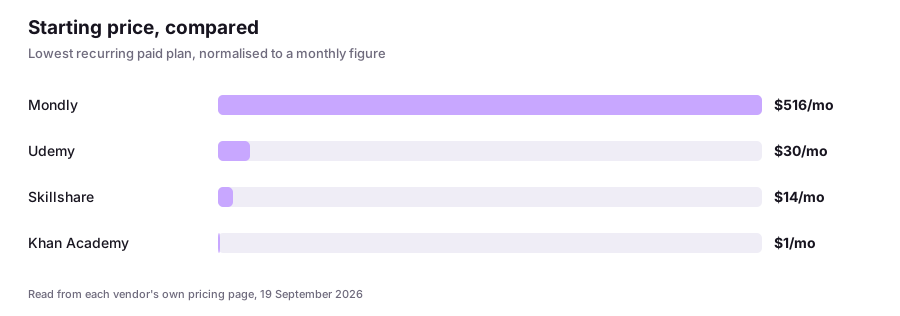
Side-by-Side Feature and Pricing Comparison Table
The following table compares major duolingo alternatives across features and pricing models, focusing on facts critical for language learners and course creators. Each row highlights what stands out:
| Platform | Entry Price | Top-Tier Price | Core Features | Learning Focus | Free Trial/Tier | Creator Monetization |
|---|---|---|---|---|---|---|
| Teyro | Free tier available | Not listed | Gamified XP & streaks, strong practice, creator tools | Skill-building, languages | Yes (free start) | Yes (Teach) |
| Duolingo | Free; 4 paid tiers | Not listed | Game-like lessons, hearts system, personalized practice | Languages | Yes | Not listed |
| Skillshare | $13.99/month | $167.88/year | Creative video courses, learning paths, ad-free | Creative skills, languages | No | Yes |
| Khan Academy | $10/student/year (starter) | Custom (enterprise) | Structured lessons, AI writing coach, reporting | Academic, languages | Yes (for students) | Not listed |
| Udemy | ~$252/user/year (team) | Contact for enterprise | 28,000+ courses, practice tests, AI coding, certifications | Business, professional | Yes (free previews) | Yes |
Why it matters:
- Side-by-side clarity means you instantly see which "duolingo alternative" matches your needs.
- Teyro stands out for habit-building tools and course creator support.
- No hard prices for Duolingo; other major players show exactly what you pay.
- Skillshare and Udemy focus more on broad creative/professional content, not just languages.
Udemy: Extensive Course Library and Professional Focus
Udemy offers a vast catalog with over 28,000 courses covering languages, business skills, technology, and creative topics. Its pricing can vary widely depending on the type of subscription or licensing model, especially for teams, with an average user cost around $252 per year and enterprise pricing available via contact. The platform supports free previews that let learners test courses before committing, and creators have multiple opportunities to monetize content through direct sales and promotions.
Udemy's key strength lies in its breadth and flexibility, making it a solid choice for learners looking to combine language study with professional development courses. Its course variety includes both beginner and advanced content, and built-in features such as practice tests and AI-powered tools enhance skill retention and assessment. Unlike platforms focused solely on language learning, Udemy’s broader professional focus appeals to users wanting comprehensive skill-building across disciplines.

Tip: Review actual free tier access. Many duolingo alternatives highlight no-commitment options, but advanced features (like practice tracking or creator analytics) are often paywalled.
How We Selected These Duolingo Alternatives
Choosing the right duolingo alternative matters—especially if you’re looking for a platform that fits your learning needs, budget, and workflow. Here’s a breakdown of the objective, data-driven criteria used to compare these language learning options.
Key ranking and SERP data considered
Search engine ranking data reveals what real users are searching for, their pain points, and which tools genuinely compete with Duolingo. According to Eternal Spring CDMX, Duolingo’s complexity often drives learners to seek less confusing alternatives. The selection prioritized tools that appear for high-intent searches like "duolingo alternative" and those consistently referenced in language learning discussions.
Factors that weighed heavily included:
YouTube Video: Keyword Research for SEO in 2026: Step-by-Step Tutorial
Feature and pricing transparency
Transparent feature sets and clear pricing info are non-negotiable. Each duolingo alternative was evaluated for:
- Upfront disclosure of all costs — hidden fees can sour a learning experience.
- Accessible breakdowns of what’s included at each tier — so buyers aren’t surprised by paywalls.
- Side-by-side capability comparisons — shown in the feature tables in this guide.
Public documentation and real user concerns
Evidence from public forums and help docs shapes our selection. Common issues discussed—like lesson pacing, ad intrusions, or tier restrictions—influence which duolingo alternatives earn a mention.
What’s prioritized:
- Clear, detailed help documentation — so new users aren’t left confused.
- Documented support for creators or instructors — including accessible onboarding and frequent Q&A, as seen on Teyro’s Teach page.
- Solutions to pain points flagged in user reviews.
Expert Insight: Always check recent user feedback on support forums before committing to a new learning platform. Minor missing features or support delays usually surface there first.
1. Teyro — Best for Learning That Sticks
Teyro is designed for people who want their learning to last, not fade away after the quiz. For anyone searching for a Duolingo alternative that prioritizes real retention and practical skill-building, Teyro stands out by rethinking how consistent progress happens.
What it is
Teyro is an online learning platform focused on building skills that stick through interactive practice and habit-forming features. Unlike many language apps, Teyro’s approach relies on short daily sessions that include immediate application and reflection, helping users actually retain what they learn. Its interface blends gamification, progress tracking, and real community support so learning doesn’t feel like a chore.
Best for
Teyro is best for learners who struggle with motivation and want meaningful, lasting progress. Professionals fitting lessons into packed schedules, as well as course creators wanting reliable ways to monetize their expertise, find the platform's design practical. Key groups who benefit include:
Key features
Teyro’s stickiness comes from features built to keep people engaged and accountable. Structured lessons go beyond watching—they require action right away. Distinctive features include:
Pricing
Teyro offers a free way to start, with access to plenty of skill-building content. While detailed tier pricing isn’t listed on the public site, the structure follows a "try free, upgrade for more" model. Most users can try several lessons at no cost, then choose a paid plan to unlock all courses, analytics, or enhanced creator earnings.
Pros and cons
Teyro’s biggest upside is its focus on actual retention—something many language platforms overlook. But no platform is perfect.
Pros:
- Bite-sized practice for real-life use
- Strong accountability via leagues and streaks
- Community fosters faster problem-solving
Cons:
- Course variety focuses more on applied skills than pure language options
- Full catalog and analytics require a paid upgrade
Verdict
Teyro stands out as the best Duolingo alternative for learners who want a clear path to speaking confidently, not just memorizing vocabulary. Its unique blend of real-time peer feedback and interactive speaking challenges ensures you practice practical conversation skills, unlike other apps that focus mainly on passive recall. If your goal is to improve fluent communication rather than only completing lessons, Teyro offers a targeted approach—for both learners and instructors ready to launch courses.
Expert Insight: The four-phase learning loop (Learn, Apply, Reflect, Deepen) is especially effective for working professionals who need knowledge to translate into daily action, not just quiz scores.
2. Duolingo — Gamified Habit-Forming Lessons
Duolingo popularized language learning with gamified, habit-forming lessons and bite-sized practice. While its engaging and competitive model appeals to many, true alternatives focus more on in-depth instruction, personalized feedback, or specialized content to better suit motivated adult learners.
What it is
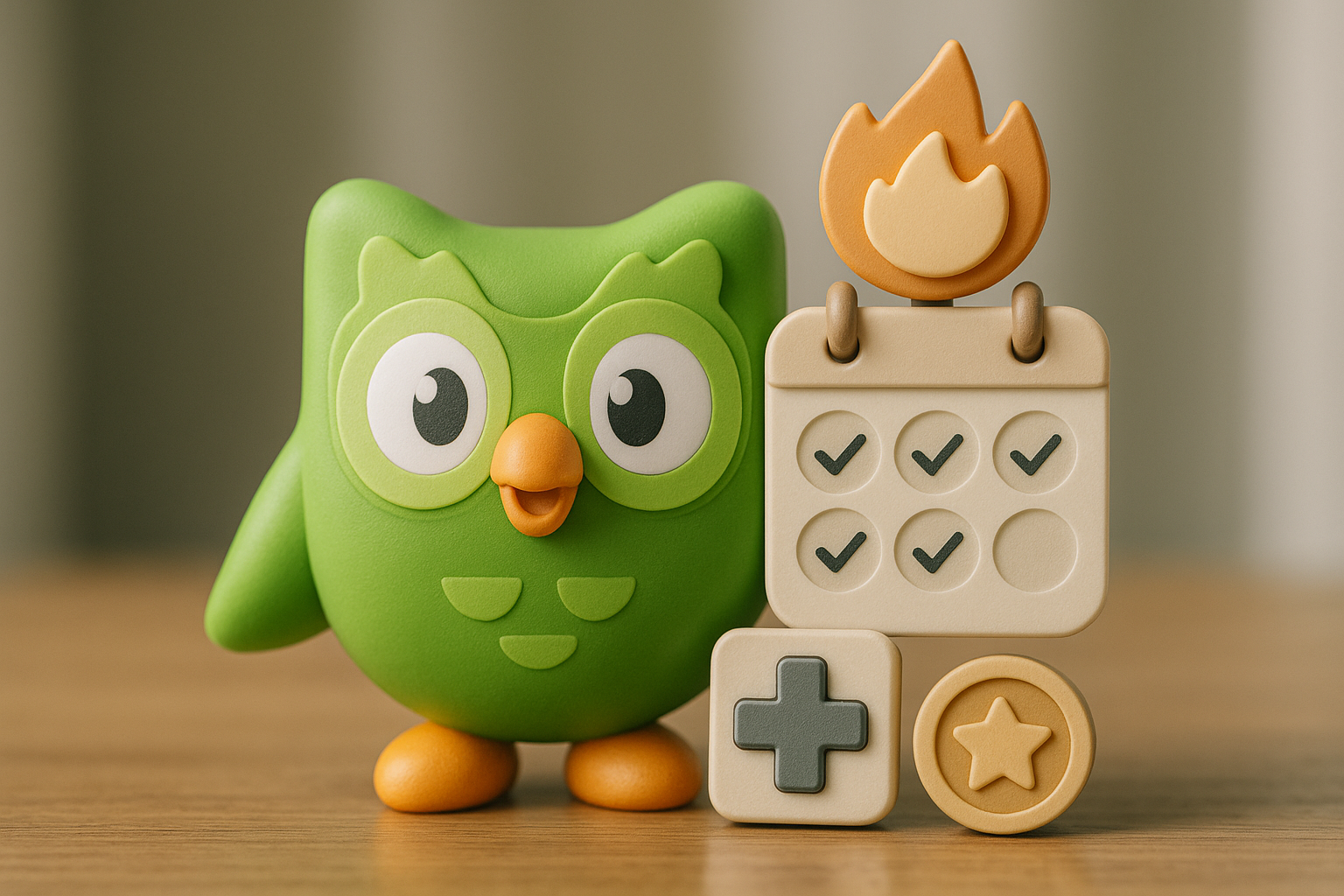
Duolingo is a gamified language learning platform that relies on short, interactive lessons to build daily study habits. The app applies game mechanics—XP, streaks, leaderboards—to motivate users to return. Its adaptive exercises cover speaking, listening, reading, and writing, keeping sessions varied. Duolingo's interface feels more like a mobile game than a classroom, aiming for consistent, irresistible engagement.
Best for
Duolingo is best for casual learners who enjoy routine-driven challenges rather than formal study. Many use it for daily language exposure or as a supplement, not a full course.
Key features
Duolingo’s core features focus on engagement and basic fluency, not mastery.
- Gamified progress: XP, badges, and competitive leaderboards
- Adaptive practice: Adjusts to errors and rewards streaks
- Multi-skill coverage: Reading, speaking, listening, and writing blended into each session
- Mistake review: In paid tiers, revisit and correct weaknesses
- Personalized daily practice: Sends reminders to build study habits
Pricing
Duolingo offers a generous free tier and several paid plans with added features. There's a permanently free option supported by ads, and four premium packages; paid plans remove ads, add unlimited hearts, and unlock extra practice tools. For exact pricing, users should check the latest rates on Duolingo's official page.
Pros and cons
Duolingo’s approach is habit-forming, but with trade-offs that matter for serious learners.
Verdict
Duolingo is a solid duolingo alternative for habit-building and casual language practice, but it isn’t optimized for career use or deep learning. Teams comparing platforms see its value in accessibility and consistency, but also its limits: little hands-on practice, no instructor feedback, and a capped depth.
Warning: Relying solely on gamified repetition can leave significant gaps in applied language skill, especially for professional contexts or certification—always pair with real practice or feedback-based learning when long-term capability is the goal.
3. Skillshare — Creative Language and More
Skillshare stands out as a duolingo alternative for learners who want to blend language with creative exploration. It’s less about gamified repetition and more about self-paced video classes spanning languages, design, illustration, writing, and more. Here’s how Skillshare fits into the landscape for anyone looking past pure language apps.
What it is
Skillshare is an online learning community with video classes taught by industry professionals across creative and practical topics. Unlike Duolingo’s drill-based language practice, Skillshare uses a project-driven approach—think language through storytelling, creative writing, or business presentations.
Best for
Skillshare is best for learners interested in coupling language with creative skills. It’s suited to:
- Multidisciplinary projects where language learning is integrated with design, illustration, or entrepreneurship
- Visual and auditory learners who prefer guided video instruction
- Self-motivated learners who want project output along with theoretical knowledge
Key features
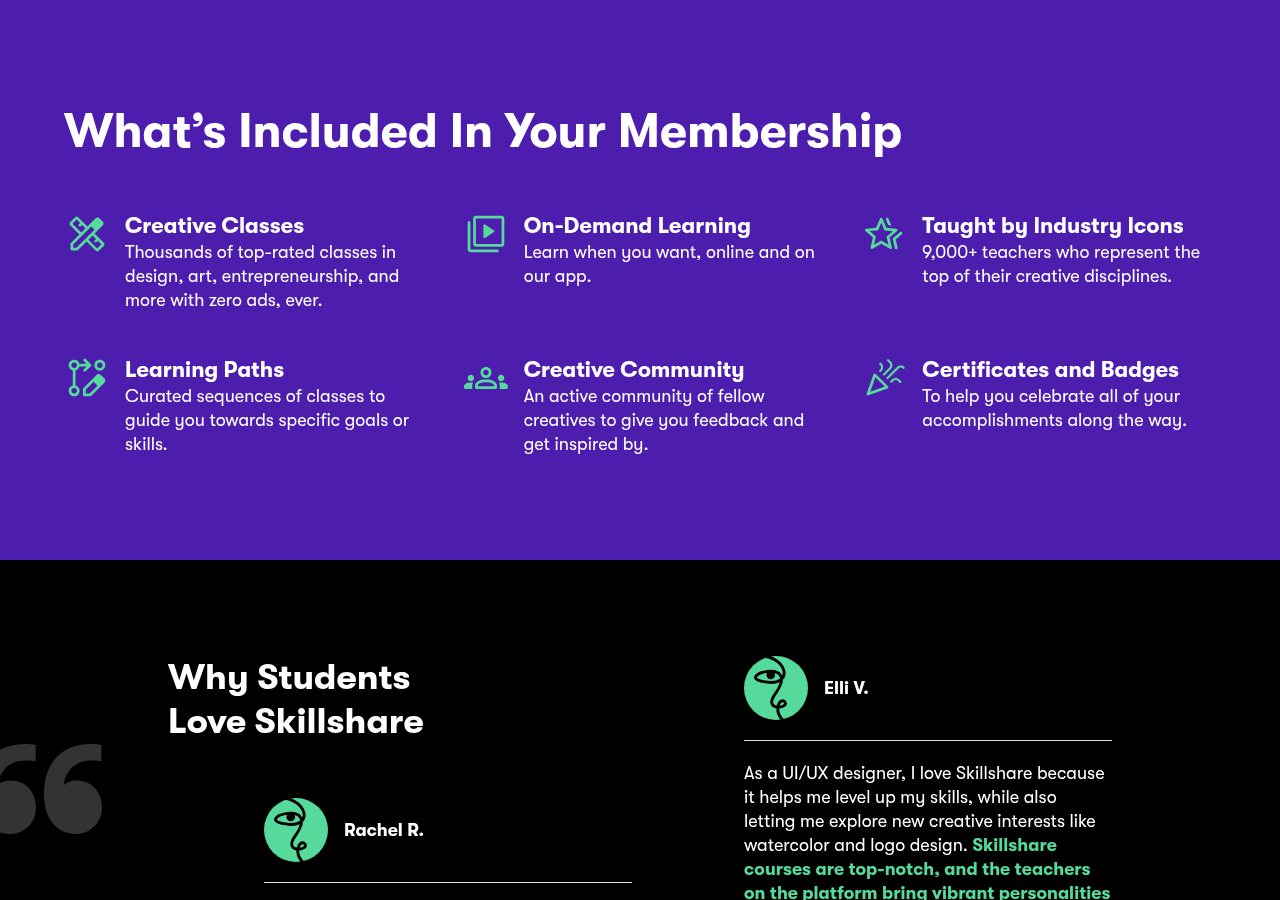
Skillshare offers features that stand out from strict language platforms:
- On-demand learning — Access thousands of classes anytime
- Learning paths — Curated sequences for structured progress
- Offline viewing — Supports learning on the go
- Interactive projects — Peer feedback and uploads
Table: Skillshare Key Features
Pricing
Skillshare operates on a single subscription model: $13.99/month or $167.88/year, billed annually. All courses are fully unlocked as long as your subscription is active. No free tier is available, which differs from most duolingo alternative options that offer starter access. Pricing covers:
- Unlimited course access
- All creative topics, including language
- Zero ads
Pros and cons
Skillshare’s broad class library helps creative learners but isn’t tailored for traditional language fluency. Here’s a quick breakdown:
Pros
- Wide creative subject range
- All-access pricing covers every course
- Strong peer feedback system
Cons
- No free tier; subscription required
- No structured language proficiency path
- Learning depends on self-discipline and motivation
Verdict
Skillshare stands out as a duolingo alternative for users who value combining language learning with creative or professional interests. Its flexible course structure lets you tailor your experience by mixing language lessons with related skills like writing, design, or marketing. This makes it ideal for learners seeking a more integrated, personalized approach rather than a strict, level-based program offered by dedicated platforms like Teyro or Duolingo.
Tip: Skillshare often runs limited-time discounts on annual plans—set a reminder to check prices before committing to a subscription.
4. Khan Academy — Academic Language Foundations
Khan Academy stands out among duolingo alternative platforms by focusing on academic language skills in a structured, school-style format. It's best for users seeking depth in grammar and reading, rather than gamified practice.
What it is
Khan Academy is a free online platform providing academic-focused lessons across a broad range of subjects, including language arts. Unlike Duolingo, which prioritizes gamification, Khan Academy takes a curriculum-driven approach with in-depth content for reading, grammar, and writing.
Its classroom-style interface emphasizes theory, offering personalized progress tracking and teacher tools.
Best for
Khan Academy is best for students, educators, and anyone wanting academic mastery of language. It appeals especially to learners preparing for standardized exams or those needing a deep dive into the rules and mechanics of a language.
Key features
Khan Academy provides researched, standards-based curriculum with embedded personalization. Top features include:
- Interactive lessons in reading, grammar, and writing
- Khanmigo AI support for students and teachers
- Data insights and progress analytics for educators
- Unlimited access for all users
- Administrator controls for school-wide integration
This structure supports serious, methodical growth—distinct from quick daily drills.
Pricing
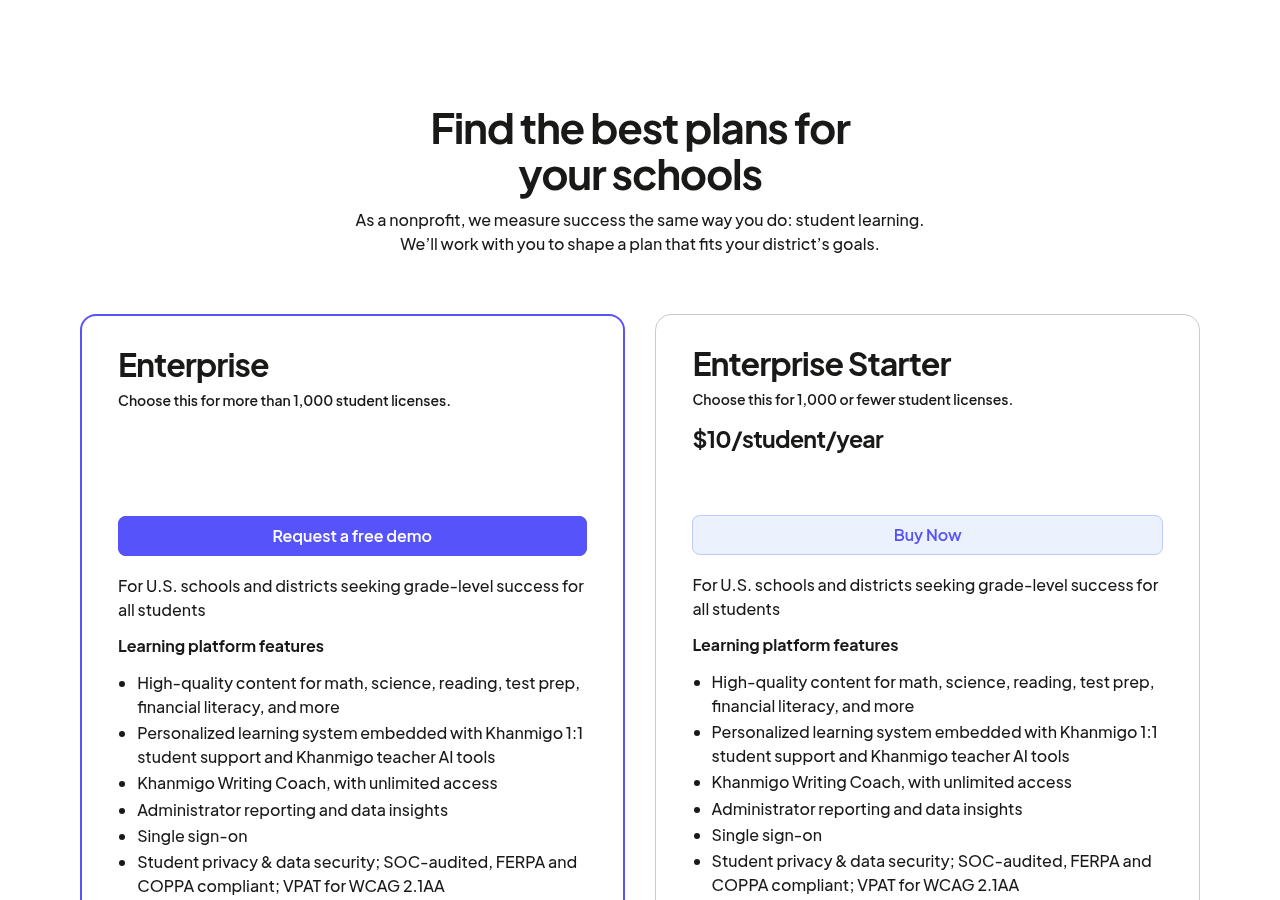
Khan Academy offers core learning for free, with advanced features available through institutional plans. According to their official page, the Enterprise Starter plan is $10 per student per year; fully customized enterprise access is available by quote.
Pros and cons
Khan Academy excels at academic structure but may not fit all learning styles. Here’s a quick breakdown:
Verdict
Khan Academy is a strong duolingo alternative for learners who need thorough academic grounding, not just casual practice. Its structured lessons, teacher tools, and free core access make it a standout for classroom and test prep scenarios.
For adults who want habit-forming, bite-sized language practice that sticks, Teyro remains a stronger fit.
Expert Insight: Khan Academy’s classroom-style interface lets teachers monitor progress and assign tasks, making it especially valuable for formal schooling—something most duolingo alternatives lack.
5. Udemy — Courses for Language Professionals
Udemy stands out as a duolingo alternative for those seeking depth and professional-grade content in language learning. Unlike platforms built around habit-forming games, Udemy focuses on structured, expert-led courses aimed at serious learners and professionals.

What it is
Udemy is an online learning platform offering a broad library of courses, including options tailored specifically for language professionals. Its content is designed by independent instructors, often with real-world or academic expertise, and delivered through recorded video lectures and supplementary resources.
Best for
Udemy is best for language professionals or serious learners seeking in-depth courses that go beyond basic phrases or gamified repetition. Many users look to Udemy for specialist topics such as:
- Accent coaching
- Advanced grammar and composition
- Language teaching pedagogy
- Test prep (e.g. TOEFL, IELTS)
Key features
Key features on Udemy for language learning include:
- Access to 28,000+ or 30,000+ courses
- Certification prep for 200+ to 300+ exams
- Practice tests and AI-powered exercises
- Options for business and technical skills
- Self-paced learning with lifetime access to purchased courses
Pricing
Udemy pricing for language learning starts at $252.00/year per user for the Team Plan (verified from vendor page). Enterprise plans and AI Fluency options require direct inquiry and may vary.
- Team Plan:
$360.00$252.00 per user/year (current discount) - Enterprise/AI Fluency: Contact sales for details
Pros and cons
Udemy offers a vast marketplace with professional instructors, but it requires motivation and discernment to pick quality content:
Pros:
- Extensive course catalog — broadest subject coverage
- Certificate options for career growth
- Self-paced, lifetime access
Cons:
- Variable course quality — marketplace model means mixed experiences
- No gamification for daily engagement
- No built-in habit reinforcement
Verdict
For language professionals and serious upskillers, Udemy is a strong duolingo alternative focused on deep, instructor-led learning. It lacks habit-forming features but covers advanced, career-oriented topics. If you prefer daily progress, micro-learning, and a community-driven approach, Teyro may be the more effective option for practical retention and engagement.
Tip: Before enrolling, preview course content and review instructor backgrounds—Udemy allows both, helping you avoid mismatch or disappointment.
Frequently Asked Questions
What is the best duolingo alternative for conversation practice?
For focused conversation practice, Tandem and HelloTalk are top Duolingo alternatives, connecting you with native speakers worldwide for real-time chat and voice calls. These platforms emphasize language exchange, helping you practice speaking naturally. Teyro, while not specifically for languages, offers engaging short lessons and a supportive community that could complement your conversational skill-building journey.
Which language apps have the most effective grammar instruction?
Apps like Babbel, Busuu, and HelloTalk offer some of the most effective grammar instruction. They combine clear grammar explanations with interactive exercises and real-life practice. Unlike apps focusing mainly on vocabulary, these platforms emphasize grammar rules and their practical use. For learners wanting structured progress with immediate feedback, platforms like Teyro also provide lessons that blend grammar practice with application and community support to cement understanding.
Are there free language learning platforms better than Duolingo?
Yes, there are free language learning platforms that some users find better than Duolingo, depending on their needs. For instance, Memrise offers more native speaker videos, and Busuu includes interaction with native speakers. Platforms like Teyro also provide gamified, bite-sized lessons with community support to boost motivation, making them strong Duolingo alternatives for engaging, effective language learning.
Can any app make learning a new language fun and sustainable?
Yes, some apps can make language learning fun and sustainable by combining short, engaging lessons with real practice and community support. Features like gamification, streaks, and progress tracking also help maintain motivation. For example, Teyro offers these elements, helping learners stay consistent and enjoy the process while mastering a new language or skill.
Do gamified language apps actually improve fluency or just engagement?
Gamified language apps primarily boost engagement through interactive rewards, but they can improve fluency if combined with real practice and consistent learning. Simply playing games isn't enough; active use and reflection are needed to build language skills. Platforms like Teyro blend gamification with practical exercises and community support to help learners steadily improve fluency, not just stay motivated.
Conclusion
The secret to real progress with any Duolingo alternative is finding a tool that fits your daily life and keeps you motivated. Here’s how to get the most out of whichever platform you try next:
- Set a recurring daily reminder to practice, even just for 10–15 minutes.
- Choose an app that fits your learning needs, whether you want bite-sized lessons or in-depth courses.
- Track your improvement weekly and reflect on what sticks best.
- Mix in active speaking and writing, not just passive review, to lock in new skills.
With the right approach, you’ll move beyond collecting badges and actually use your new language.
Ready to ditch empty streaks and join a real learning community? Start learning with Teyro and build language skills that actually last.